The Ultimate Guide on How to Pair Whisky with Coffee Beans in a Hamper
There are few Beer Gifts pairings as rich and deeply satisfying as the combination of fine whisky and expertly roasted coffee. Individually, they represent peak craftsmanship—one distilling decades of barrel aging into liquid gold, the other coaxing complex aromas from exotic beans grown across continents. But combining them? That is an art form. For those looking to curate a perfect gift or simply elevate their home bar experience, the challenge lies in moving beyond "good enough" and achieving true synergy. It can seem like mixing oil and water—two mighty forces that should repel each other. Yet, when done correctly, they harmonize into something profoundly complex, almost like listening to a musical symphony where every note plays its part.
This guide is your roadmap for mastering the subtle science of flavor pairing. We'll explore not just what pairs well, but why, ensuring that whether you are buying or creating a spectacular hamper, the resulting experience is unforgettable.
The Science Behind the Sip: Understanding Flavor Complementarity
Before we even think about curating the physical contents of a hamper, we must understand the underlying chemistry—the magic that makes whisky and coffee friends. Pairing is not simply about liking two things; it’s about understanding how their primary notes interact when they meet on your palate.
Many people approach this pairing thinking they need to match intensity (dark roast with smoky scotch). While matching is one safe route, the true genius often lies in complementary contrast. Think of chocolate: its richness complements both a bright, acidic Ethiopian Yirgacheffe and a deep, peaty Islay Scotch. The common thread—the cocoa note—acts as an anchor, allowing the unique characteristics of each item to shine without overwhelming the other.
Are you aiming for gentle harmony, or dramatic contrast? Knowing your goal will dictate whether you lean toward matching roast levels or playing opposing notes against each other. This knowledge transforms pairing from guesswork into a confident act of curation.
Deconstructing Your Components: Whisky and Coffee Profiles
To successfully pair whisky with coffee beans in a hamper, you must first become intimately familiar with the two main players. Treating them as separate entities allows you to select with precision.
Mastering the Roasting Spectrum (Coffee)
The coffee bean’s journey from farm to cup is defined by its roast profile. This is perhaps the most crucial element of the coffee side of the equation.
- Light Roast: These beans retain more of their origin characteristics—think bright acidity, floral notes, and citrus zing. They are vibrant and delicate.
- Medium Roast: The sweet spot for many pairings. They balance acidity with body, often highlighting nutty or caramel tones.
- Dark Roast: Roasting here developed deep, smoky, sometimes almost bitter notes. These beans have a heavy, enveloping mouthfeel that can stand up to robust whiskies.
Decoding the Whisky DNA (Whisky)
Whiskies are incredibly varied, but certain flavor families guide our pairing choices:
- Bourbon: Often characterized by vanilla and caramel sweetness due to American oak aging. These tend to pair beautifully with sweeter, medium-roast beans that echo those notes.
- Scotch (Peaty): Known for smoke, brine, and sea salt. The strong character of peaty scotch demands a companion that can either match its intensity or provide a sharp contrast, such as a dark roast coffee to cut through the smokiness.
- Rye: With its characteristic spicy, baking-spice notes, rye whisky tends to pair well with beans that exhibit warm spices like cardamom or cinnamon.
The Golden Rules: How to Pair Whisky with Coffee Beans in a Hamper?
Now we put it all together. Knowing the components is only half the battle; knowing the rules of engagement is what makes the difference between an interesting gift and a masterpiece.
When curating your hamper, consider these three actionable pairing strategies:
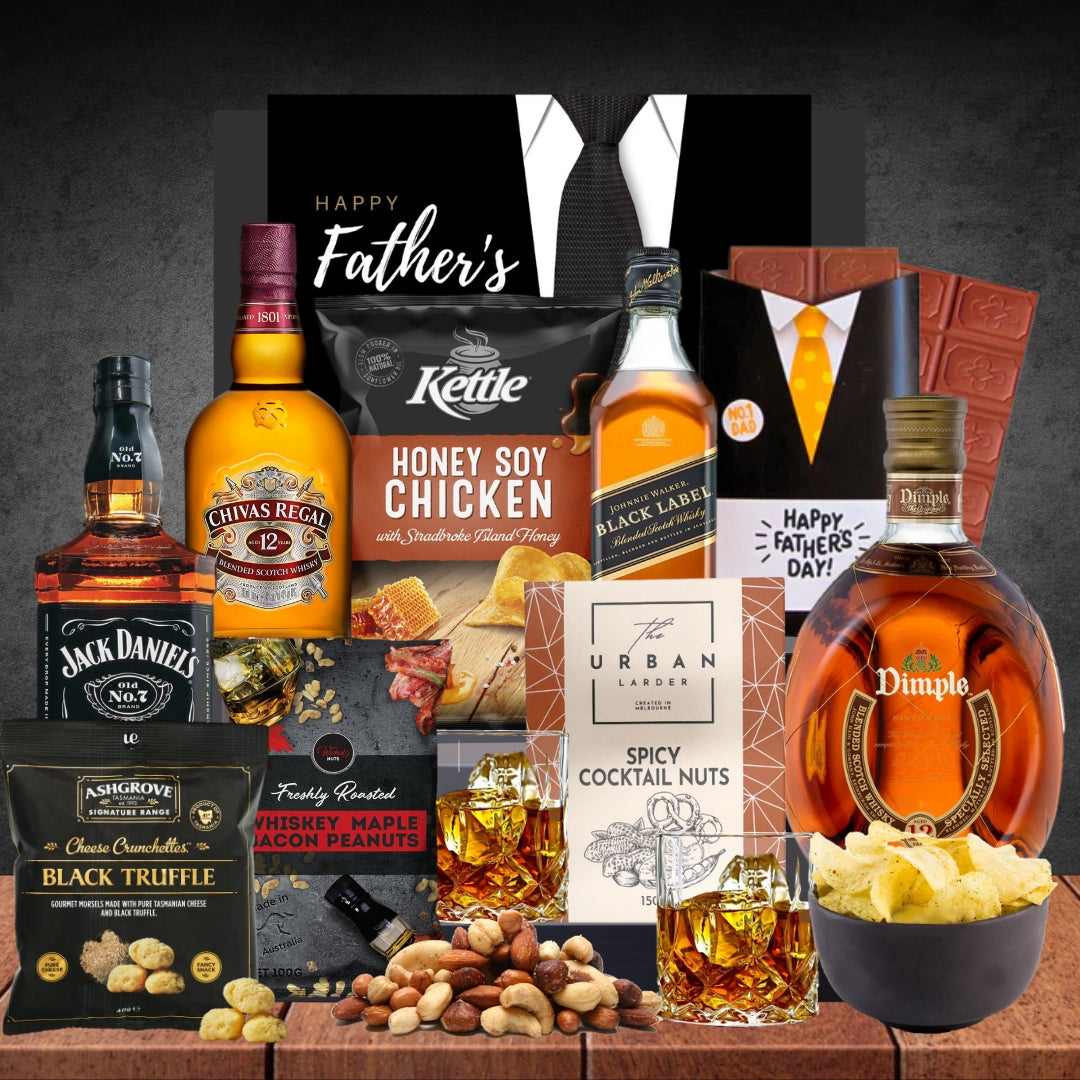
- The Harmonizing Pair (Matching): If both items share a core flavor profile—for example, vanilla or toasted nuts—the pairing will feel seamless. A Bourbon whisky with a medium-roast coffee that highlights caramel tones is a perfect example of this approach.
- The Contrasting Counterbalance: This technique uses opposing notes to create tension and release. If you have a heavily smoky Islay Scotch, pair it with a bright, acidic light roast. The brightness cleanses the palate from the smoke, allowing the coffee's citrus zest to pop against the whisky’s depth.
- The Bridge Note: This is advanced pairing, but incredibly effective. Look for a third shared flavor—like dark chocolate or smoked cedar—that can act as a bridge between the two beverages. If both the whisky and the coffee have prominent notes of cocoa, you know your hamper is destined for success.
I once had a friend who was struggling with this exact challenge. He kept pairing overly sweet whiskies with over-sweet coffees, resulting in a cloying mess. A local expert told him to stop focusing on sweetness entirely and instead focus on texture. The moment he started pairing the sharp bite of a rye whisky with the clean acidity of a single-origin light roast, his whole concept changed.
"The goal of great curation is not just to present objects, but to evoke an experience—a journey from the first aroma to the final sip." — Unknown
Building the Ultimate Curated Experience
A hamper should feel like an event, not just a collection of items. Beyond simply following how to pair whisky with coffee beans in a hamper?, you must curate the entire sensory narrative.
- Presentation Matters: Include tasting notes cards for both items. These little guides elevate the gift by educating the recipient on why the pairing works.
- The Supporting Cast: Don't forget complementary inclusions! A small square of high-quality dark chocolate (70% cacao or higher) acts as a phenomenal palate cleanser and flavor enhancer when paired with either component.
- Temperature Control: Advise the recipient on ideal serving temperatures. Whisky should be enjoyed at room temperature, while coffee benefits from a slightly warmer pour to release its full aromatics.
Ultimately, pairing is about storytelling. A hamper tells a story of origin—from the Kenyan farm where the beans were grown, to the Scottish distillery where the whisky was matured. By following these principles, you move beyond simple gift-giving and deliver an immersive journey for your recipient.
Charting Your Next Great Pairing Adventure
Mastering this art is a continuous process of tasting, testing, and learning. Don't let the complexity intimidate you; view it as an exciting puzzle waiting to be solved. Start small—select one whisky and three different roast levels of coffee—and experiment with the rules above. By systematically exploring these flavor dynamics, you will quickly gain confidence in your ability to pair whisky with coffee beans in a hamper that is nothing short of spectacular. The next time you are gifting this combination, approach it not as a collection, but as an orchestrated sensory event ready to Check out the post right here delight every single sense.